
Personality disorders and evidence based treatment options

Personality disorders are mental health conditions that shape how a person thinks about themselves, other people, and the world. If you have never heard this term before, you are not alone. Many people feel confused or worried when they first see the words personality disorders. At Forbs Behavioral Health Services we help people in Frederick Maryland and across Maryland and Washington DC understand personality disorders and find care that is guided by research and best practice.

What are personality disorders
A personality disorder is a long lasting pattern of thoughts, feelings, and behaviors that makes life harder at home, at work, or in relationships. These patterns usually begin by early adulthood and feel very natural to the person, even when they cause distress.
According to MedlinePlus from the National Library of Medicine, talk therapy is the main treatment for personality disorders and medicines are sometimes used to ease symptoms such as anxiety or mood swings. (MedlinePlus)
People with a personality disorder are not weak or lazy. These conditions are real mental health disorders. They are linked to a mix of life experiences and biological factors. With the right support, many people learn new skills and build more stable and satisfying lives. (National Institute of Mental Health)
Common signs of personality disorders
Each personality disorder has its own pattern. Still, there are some common themes. A person might
Have intense or quickly changing emotions
See themselves as all good or all bad
Struggle to trust others or feel very afraid of being abandoned
Have rocky relationships that swing between closeness and conflict
Act in impulsive or risky ways
Feel empty, numb, or disconnected from others
Have trouble seeing how their behavior affects people around them
These signs can range from mild to very severe. Sometimes family or friends notice problems before the person is ready to ask for help.
Borderline personality disorder as an example
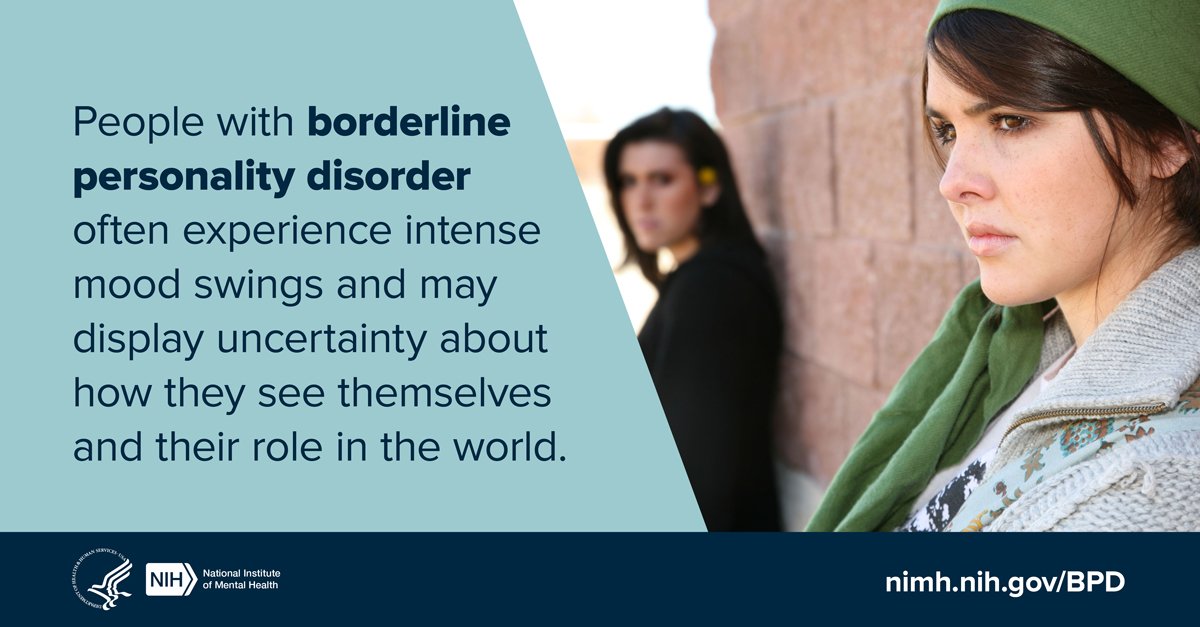
One of the better known personality disorders is borderline personality disorder. The National Institute of Mental Health explains that borderline personality disorder strongly affects emotion control and relationships. People may feel intense fear of being left alone, have sudden shifts in mood, and struggle with self harm or thoughts of suicide. (National Institute of Mental Health)
It is important to remember that a diagnosis is not an insult. It is a way to describe patterns that show up across time and settings so that treatment can be matched to what actually helps. Many people with borderline personality disorder improve with therapy and support.

Why evidence based treatment matters
Evidence based treatment means that the approach is backed by good quality research, not just opinion. Researchers test therapies in careful studies to see whether they
Reduce symptoms
Lower risk of self harm or hospital stays
Improve relationships and quality of life
Federal agencies such as the National Institute of Mental Health and the Substance Abuse and Mental Health Services Administration report that psychotherapy and other mental health treatments can help people manage serious mental illness and lead productive lives.
When you choose an evidence based approach, you are choosing a path that has been studied and shown to work for many people with similar problems.
Evidence based therapy options for personality disorders
Talk therapy as the foundation
Across many personality disorders, talk therapy also called psychotherapy is the main form of treatment. MedlinePlus notes that psychotherapy is the first line of care for personality disorders and that medicine is used mainly to manage specific symptoms.

In therapy you and a trained mental health professional work together to
Understand your patterns of thinking and reacting
Learn new coping skills and relationship skills
Practice these skills in real situations
Build a life that feels worth living, not just less painful
Dialectical behavior therapy DBT
Dialectical behavior therapy is one of the best known evidence based treatments for borderline personality disorder. Research shows that DBT can reduce self harming behavior, suicidal thoughts, and crisis visits and can improve emotion regulation and relationships. (PMC)
DBT usually includes
Individual therapy sessions focused on problem solving and motivation
Skills groups that teach skills in four main areas mindfulness, emotion regulation, distress tolerance, and interpersonal effectiveness
Coaching between sessions in many programs so you can apply skills in the moment
Over time, people often describe feeling more in control of their emotions and less trapped in extreme reactions.
Other structured therapies
Researchers have also developed several other specialized therapies for personality disorders, especially for borderline personality disorder.
These include
Mentalization based treatment which helps people understand their own thoughts and feelings and those of others in a clearer way
Transference focused psychotherapy which uses the relationship with the therapist to explore deep seated patterns in how the person relates to others
General psychiatric management which combines practical case management, psychoeducation, and supportive therapy in a structured plan
A review of evidence based treatments for borderline personality disorder found that these approaches, along with DBT, can all be effective when delivered with proper training and structure.

Role of medication
There is no single medicine that cures personality disorders. However, medicines can help with symptoms such as depression, anxiety, mood swings, or sleep problems that often occur with these conditions. MedlinePlus notes that medicine is usually an add on to talk therapy, not a stand alone fix. (MedlinePlus)
A psychiatrist or other prescribing clinician can work with you to decide whether medication has a role in your care as part of a broader treatment plan.
What treatment looks like in real life
Evidence based treatment for personality disorders is usually steady and long term rather than a quick fix. Many plans include
Weekly or twice weekly therapy sessions
A clear written plan with goals and safety steps
Skills practice between sessions
Support for family when helpful
Coordination with primary care or other specialists
Research from federal agencies highlights that treatment works best when it starts early and when the person is engaged as an active partner in their care.

If you or someone you love is living with symptoms that sound like a personality disorder, it is worth reaching out even if you feel unsure. A careful evaluation does not lock you into a label. It simply opens the door to understanding and support.
In person and telehealth care at Forbs Behavioral Health Services
Forbs Behavioral Health Services offers help for people who may be living with personality disorders and related concerns.
We provide in person care in Frederick Maryland for ongoing treatment. If you are in or near Frederick, you can work face to face with a therapist who understands personality disorders and uses research guided approaches.
We also provide telehealth evaluation across Maryland and Washington DC for people who prefer to meet by secure video or who live farther from Frederick. Telehealth is supported by national guidance as a safe and effective way to provide care for many serious mental health conditions, especially when distance or mobility are barriers. (SAMHSA)
If you want to learn more about how care works here, you can visit our page on personality disorder treatment at Forbs Behavioral Health Services.
How to take the next step
If this is your first time hearing about personality disorders, it is normal to feel nervous or have mixed feelings about reaching out. You do not need to know your diagnosis before you ask for help.
At Forbs Behavioral Health Services we can
Provide a careful evaluation by telehealth across Maryland and Washington DC
Offer in person treatment in Frederick Maryland when that is the best fit
Work with you to choose evidence based options that match your needs and goals
Support you over time as you build skills and a more stable life
Personality disorders are serious, but they are also treatable. With time, practice, and the right kind of therapy, many people experience fewer crises, more stable relationships, and a stronger sense of self. If you are ready to explore what is going on and what could help, we invite you to contact Forbs Behavioral Health Services and schedule an evaluation.


